

Disc Herniation & Decompression
$99 New Patient Consult & Initial Treatment — limited spots weekly
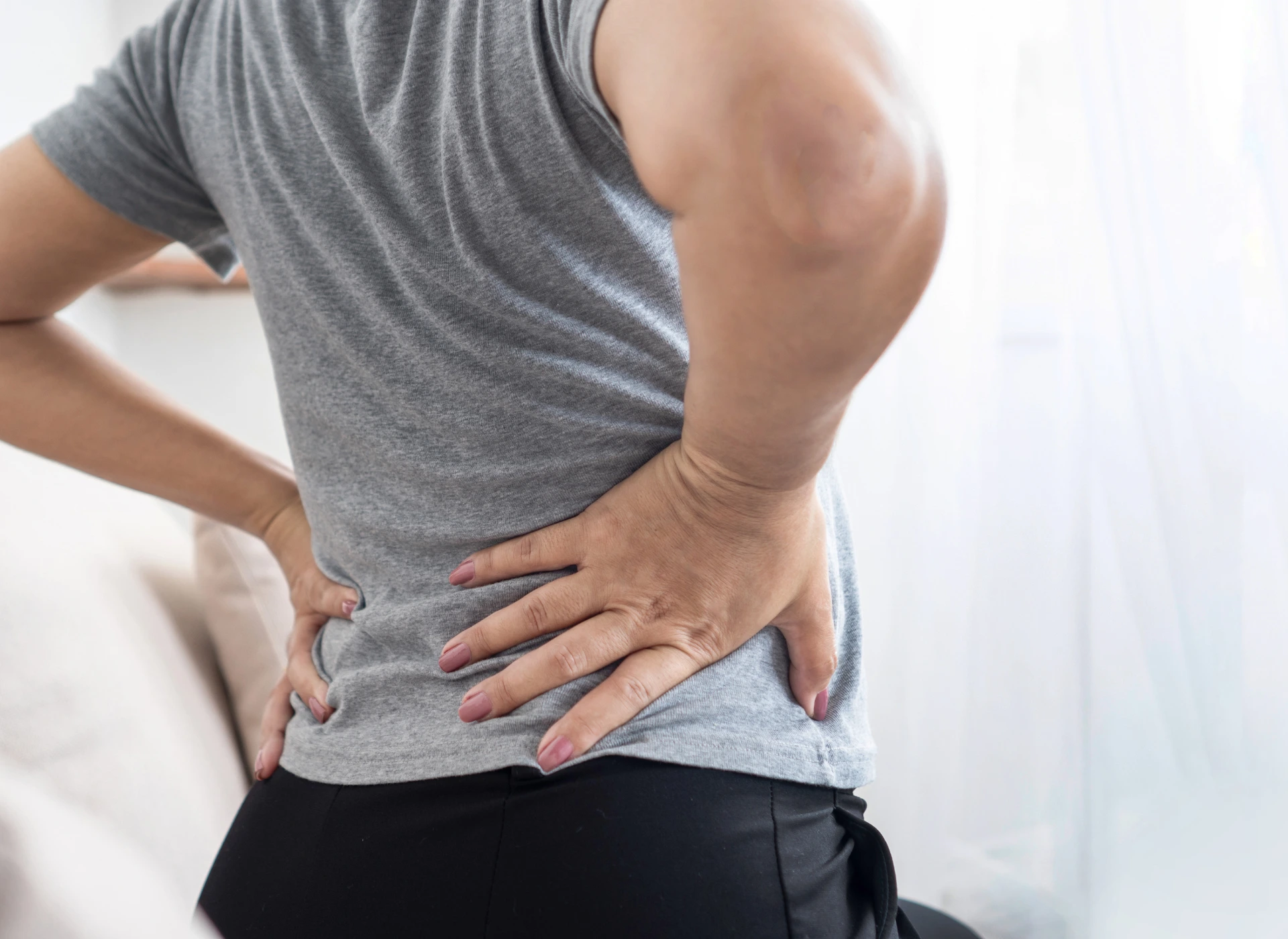
Risks & Complications of Disc Herniation
A herniated disc can range from mild discomfort to significant nerve irritation. While many cases improve with conservative care, potential risks include:
|
|
- Pain that limits work, sleep, and daily activity
- Muscle weakness or reduced reflexes in the affected limb
- Recurrent flare‑ups without addressing contributing factors
- Nerve compression causing sciatica (leg pain), numbness, or tingling
- Reduced spinal mobility and postural compensation
- Rarely, severe nerve compromise (red flags warrant urgent evaluation)
Seek urgent medical attention if you notice:
- Loss of bowel or bladder control
- Progressive leg weakness or foot drop
- Numbness in the groin/saddle area
- Fever with severe back pain, recent trauma, or unexplained weight loss
Why Patients Choose Us
- Personalized care plans with measurable goals
- Back on Track decompression + active rehab
- Clear home instructions to support results
- Transparent timelines and re‑evaluation checkpoints
How the Back on Track Decompression System May Help
Non‑surgical spinal decompression uses gentle, computer‑guided traction to create negative pressure within spinal discs. This approach aims to:
|
|
At {{Clinic Name}}, decompression is typically combined with targeted rehab, mobility work, and home strategies for durable results. A clinician will determine candidacy and tailor settings to your comfort and goals.
|
Session Length ~12–20 minutes, plus warm‑up/cool‑down |
Typical Plan 2–3 visits/week for |
Comfort Gentle, adjustable traction with close monitoring |
Session Length
~12–20 minutes, plus warm‑up/cool‑down
Typical Plan
2–3 visits/week for
several weeks*
Comfort
Gentle, adjustable traction with close monitoring
*Results vary. Appropriate care depends on individual evaluation.
When is Surgery Considered — and What Are the Risks?
Surgery is typically reserved for specific situations, such as progressive neurological deficit, severe pain unresponsive to conservative care, or confirmed structural findings that correlate with symptoms. Common procedures include microdiscectomy and laminectomy. Potential risks include:
|
|
Our team helps you understand your options so you can make an informed decision that aligns with your goals and current health status.